Security Evaluations Reshaping Encryption Protocols for Bonus Credit Distribution in Mobile Live Gaming
Written by Kai Günther · Oct 26, 2026
Security Evaluations Reshaping Encryption Protocols for Bonus Credit Distribution in Mobile Live Gaming
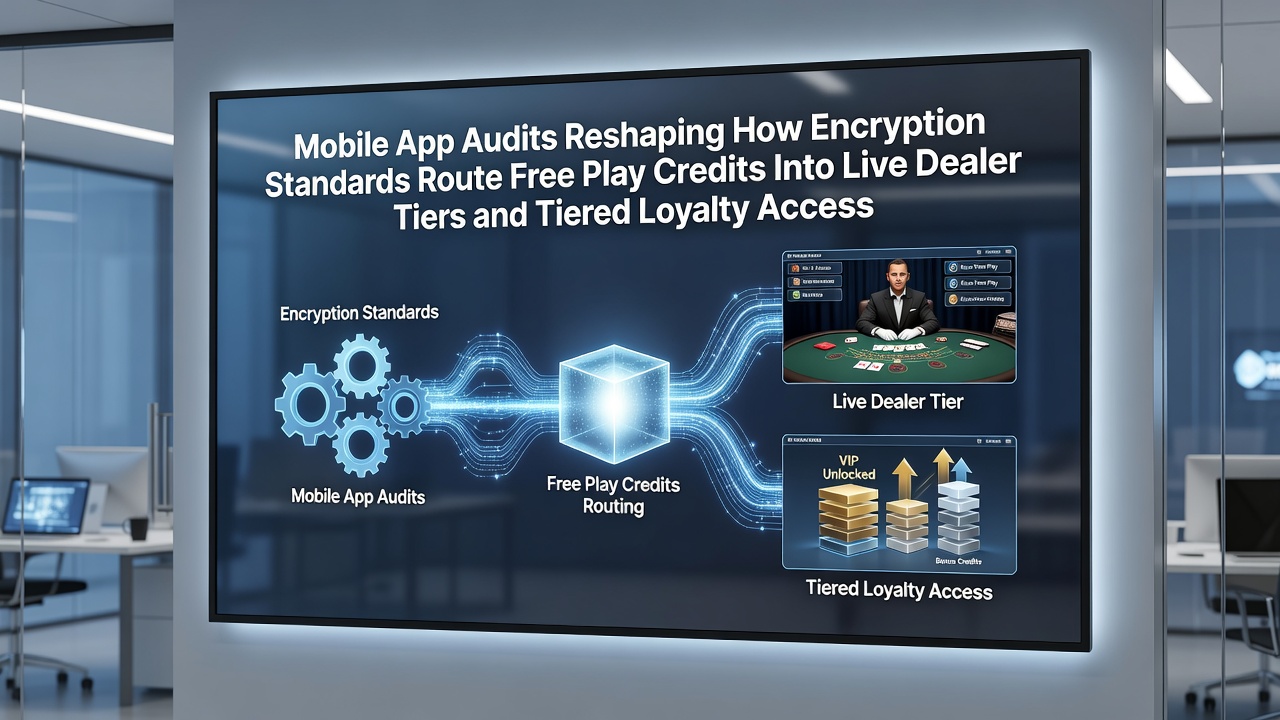
Security evaluations conducted across mobile gaming platforms continue to influence how encryption protocols manage the flow of free play credits toward live dealer experiences and tiered loyalty programs, with updates noted through October 2026. These assessments examine application code, data transmission methods, and access controls that determine whether bonus allocations reach standard reel games or progress into higher-value live table environments and exclusive loyalty benefits.
Core Mechanisms in App Audits
Audits review encryption layers that protect user data while also governing credit routing logic, so developers adjust key management systems and token validation processes to meet compliance benchmarks set by regulatory bodies. When these checks identify gaps in how free play credits transition between game types, platforms implement revised standards that prioritize secure pathways into live dealer tiers, ensuring credits activate only after verification steps complete without exposing transaction details.
Observers note that such changes affect loyalty advancement because tiered access often depends on encrypted logs that track play volume and bonus usage patterns across sessions. Platforms that pass updated audits gain clearer routes for credits to unlock live dealer privileges at mid-level loyalty stages, whereas earlier versions restricted those same credits to basic slot play until manual reviews occurred.
Encryption Adjustments and Credit Pathways
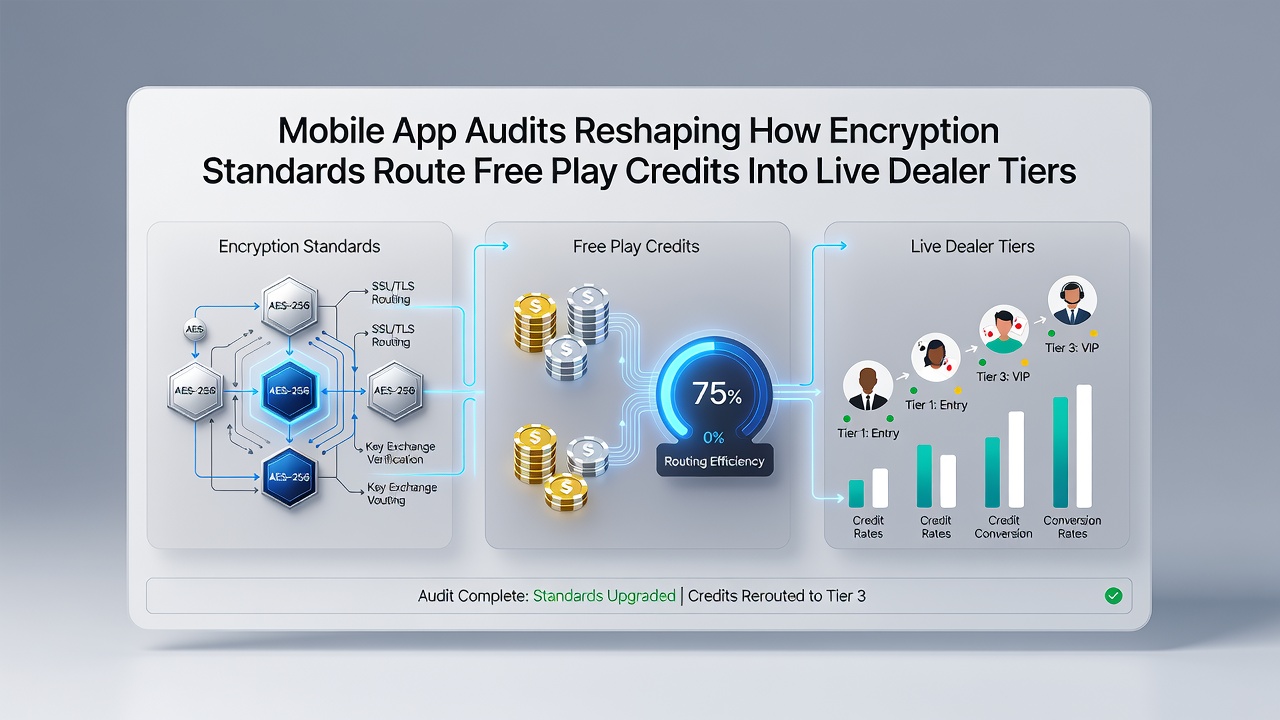
Encryption standards undergo refinement during audits to support segmented credit handling, where free play amounts receive unique identifiers that link directly to live dealer tables once loyalty thresholds are met. Data shows these identifiers prevent unauthorized shifts between game categories, yet they also enable seamless movement when players satisfy conditions outlined in the loyalty structure. Research indicates that platforms incorporating post-audit encryption updates report smoother credit activation in live environments, particularly when mobile wallets integrate with verified loyalty accounts.
One study revealed that encryption protocol revisions following security evaluations reduced processing delays for credit routing by aligning token expiration with loyalty tier renewal cycles. This alignment allows credits to move into live dealer sessions without requiring separate authentication beyond the initial app login, while maintaining separation from lower-tier rewards that remain in reel-based formats.
Impact on Loyalty Structures
Tiered loyalty access evolves as audits enforce stricter encryption requirements around credit validation, so higher tiers gain automated entry to live dealer tables funded by accumulated free play. According to figures from the New Jersey Division of Gaming Enforcement, mobile platforms that completed comprehensive audits in early 2026 demonstrated improved tracking of how bonus credits contribute to tier progression, resulting in faster elevation for users who engage with live games. These platforms route credits through encrypted channels that confirm both security compliance and loyalty status before granting table access.
Industry reports from the Alcohol and Gaming Commission of Ontario highlight similar patterns, where encryption updates tied to audit outcomes direct free play toward live dealer options at specific loyalty milestones. Players in upper tiers receive prioritized routing that bypasses intermediate verification layers, whereas entry-level accounts retain credits within standard game selections until additional conditions are satisfied.
Regional Developments Through Late 2026
Regulatory activity in multiple jurisdictions during October 2026 reflects ongoing integration of audit findings into encryption frameworks that manage credit distribution. Platforms operating across state lines adjust their systems to handle varying requirements, ensuring free play credits follow consistent encrypted paths regardless of location while still respecting local rules on live dealer availability and loyalty program structures.
Those who've examined audit summaries note that encryption enhancements often include multi-factor token systems that verify credit origin before permitting transfer into live environments. This approach supports tiered access by logging each routing event, which loyalty programs then use to calculate advancement without exposing sensitive account details during mobile sessions.
Conclusion
Mobile app audits continue to drive targeted changes in encryption standards that control credit routing, allowing free play allocations to reach live dealer tiers and support tiered loyalty progression in structured ways. Platforms adopting these revisions maintain compliance while enabling clearer pathways for users to access elevated gaming options through verified mobile interfaces. Data from regulatory sources indicates sustained focus on these mechanisms as platforms prepare for further evaluations scheduled into 2027.